The French Open: A Season of Excitement and controversy
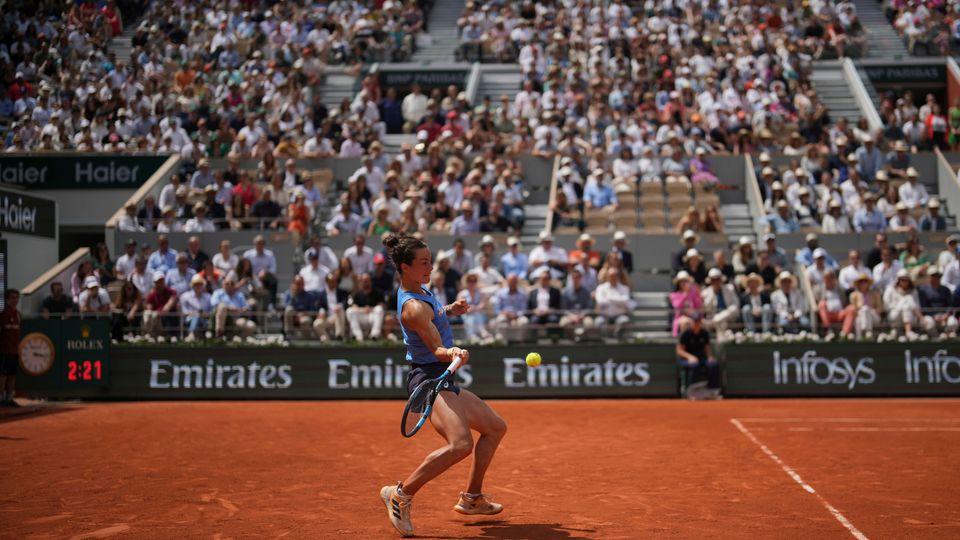
This year’s French Open has captivated audiences not only with its exhilarating matches but also with the contentious decisions influencing the tournament’s schedule. The recent declaration that only two women’s matches will take place during night sessions has ignited discussions among players, fans, and analysts. This decision falls under the guidance of Amélie Mauresmo, a former champion and current tournament director, who has been outspoken about her dedication to promoting equity within tennis. As Roland Garros unfolds,critical conversations regarding scheduling practices,gender equality,and their effects on both players and spectators are taking precedence. With Mauresmo’s leadership in focus, this edition of the French Open is set to be as much about on-court action as it is indeed about the shifting landscape of women’s tennis.
The Importance of Night Matches for Women in Tennis
The allocation of night match slots at elite tournaments like the French Open raises notable concerns regarding visibility and promotion for women’s tennis. With just two women’s matches scheduled for evening sessions under Mauresmo’s direction, the ramifications for female athletes are profound. Such limited opportunities not only diminish exposure to a global audience, but they also affect potential sponsorships and media coverage. This trend highlights a broader issue within sports where women’s events often receive less attention than those featuring male competitors—an imbalance that stifles growth in women’s tennis.
Furthermore, restricting night match opportunities may dissuade fans who could otherwise engage with these events during peak viewing times. Night matches have a unique capacity to draw diverse audiences due to their timing; thus limiting these chances for female athletes exacerbates existing challenges faced by women in sports. Consider these factors:
| Factor | Impact |
|---|
| Visibility | Diminished global exposure during high-demand hours |
| sponsorship Opportunities | Lesser advertising prospects and brand collaborations |
| audience Engagement Levels | decreased interest from casual viewers and potential new fans |
The ongoing dialog surrounding gender equality in sports emphasizes an urgent need for equitable scheduling that includes ample opportunities for women’s matches—especially during prime time slots.The future visibility of women’s tennis relies heavily on such decisions; stakeholders must prioritize creating balanced platforms that highlight exceptional talent within the sport.
Amélie Mauresmo’s Role and scheduling strategies at Roland Garros
Mauresmo’s leadership has brought significant scrutiny to scheduling choices at this year’s French Open—especially concerning evening match allocations. Since her appointment as tournament director, there has been a notable decrease in night matches designated for women’s singles competitions; currently limited to just two evening slots raises questions among fans about fairness and visibility within this prestigious event.
Critics argue that such limited exposure reflects deeper issues related to gender equity within professional tennis—especially at one of its most celebrated grand Slam tournaments.
- Cultural Norms: Historical programming trends have predominantly favored men’s events during prime time slots.
- Audience Appeal: There exists a belief that male player matchups attract larger viewership numbers.
- Broadcaster Influence: Decisions made by networks can considerably impact which matches receive prime-time placement often sidelining female competitors.
This disparity invites further examination into Mauresmo’s decision-making processes while prompting broader discussions around balancing tradition with increased representation opportunities across all levels of competition.
The conversation surrounding these scheduling choices serves as an indicator reflecting changes needed within women’s tennis alongside ongoing efforts toward equitable treatment throughout every aspect involved in this sport.
Strategies To Improve Women’s Match Exposure At Grand Slam Events!
Tackling disparities related specifically towards match schedules requires implementing strategic initiatives aimed directly towards enhancing visibility associated specifically towards female athletes competing throughout Grand Slam tournaments.
A balanced approach must be adopted ensuring equal prominence given when allocating key timeframes reserved exclusively either side (men/women). Some suggestions include:
- Add more nighttime slots dedicated solely towards showcasing talented female players’ games!
- Create rotation systems allowing fair distribution between men & woman competitions ensuring equal possibility across all formats available!
- Pursue extensive marketing campaigns highlighting upcoming fixtures involving top-tier females scheduled strategically around peak viewing periods!
Moreover fostering deeper connections between fanbases remains crucial moving forward! Creating unique promotional experiences centered around showcasing incredible talents exhibited through various forms including:
- – Organizing meet-and-greet sessions featuring prominent stars participating actively throughout respective tournaments;
- – Launching social media initiatives spotlighting achievements/stories shared amongst inspiring figures representing femininity;
- – Arranging charity exhibitions bringing together leading ladies demonstrating prowess while raising awareness concurrently!
| Current Challenges Facing Women Athletes In Tennis | Proposed Solutions |
|---|
Limited Night Matches < td >Increase Slots Available For Female Competitors < tr >< td >uneven Scheduling Practices < td >Implement Balanced Rotation Systems Across All Formats Available < / td >< tr >< td >Lack Of Visibility Among Fans < / th >< ; th > ; Engage Audiences Through Innovative Promotions& lt ; / th >< ; / tr >< ; / tbody >< ; / table >Conclusion: Looking Ahead Towards Greater Equity In Sports
The decision limiting nighttime appearances by females competing against each othre sparked considerable debate amongst participants/fans alike especially given context provided through Amelie Mauresmos’ directorial role overseeing operations here today! As advocates continue pushing forward advocating equal representation/opportunities exist we await developments arising from future iterations held annually thereafter! Ongoing dialogues surrounding gender parity highlight necessity evaluating practices regularly implemented ensuring progress achieved consistently over time leading ultimately toward improved recognition/appreciation displayed prominently across arenas worldwide including Roland Garros! |